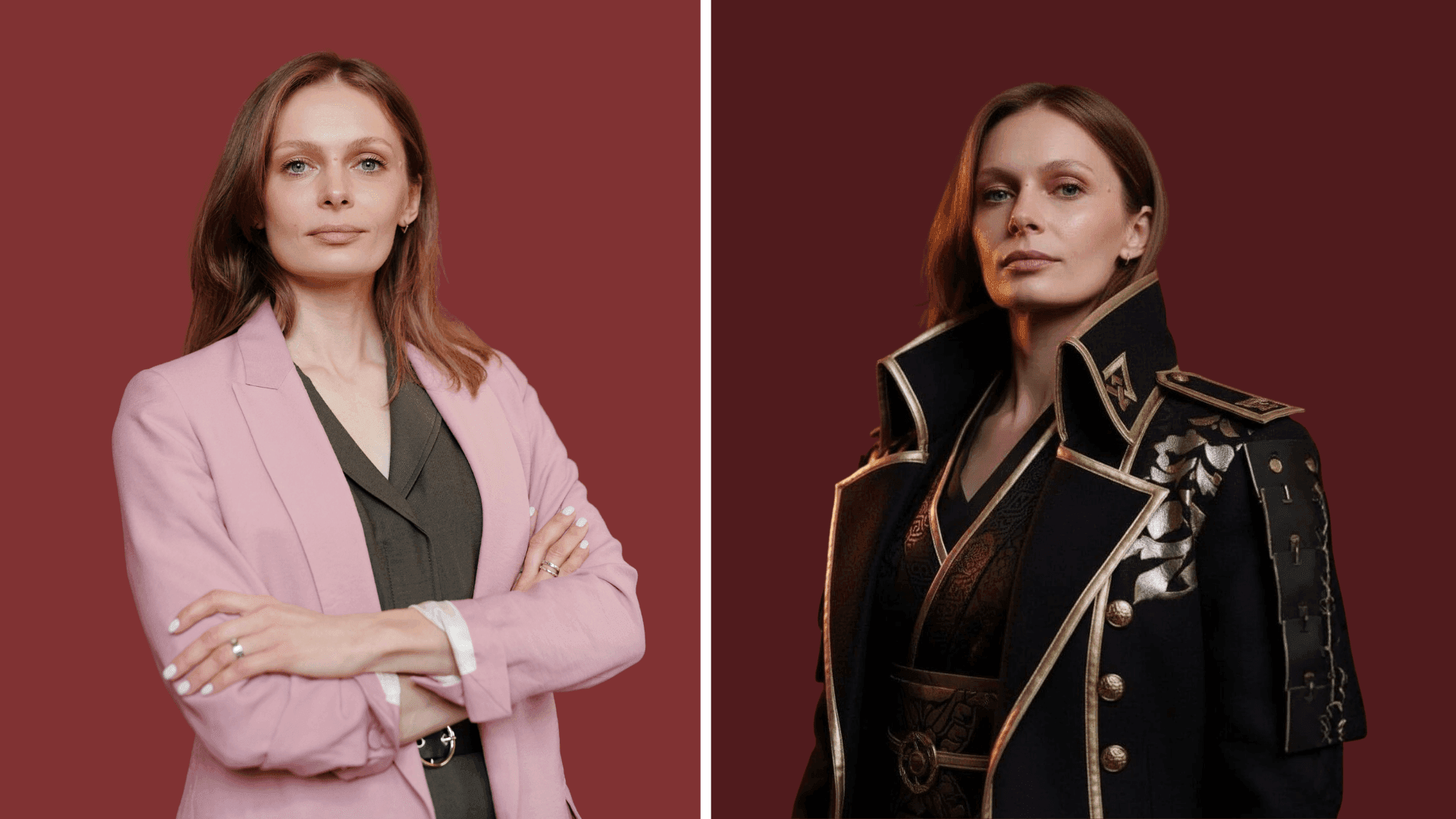
A new online trend is transforming how people engage with Emperor Hirohito, not just as a historical figure, but as a visual muse for AI-generated art. Across platforms like TikTok, Instagram, and AI art communities, users are experimenting with prompts that recreate Hirohito-style cinematic portraits, blending imperial regalia, dramatic lighting, and realistic textures.
This AI prompt trend highlights the intersection of history and creativity: while postwar narratives shaped his legacy, modern users are reimagining his image through digital tools. The result is sparking fascination with historical aesthetics, cinematic storytelling, and how AI can reinterpret iconic figures in short-form content, social media graphics, and viral visuals, Memory.
Life of Emperor Hirohito
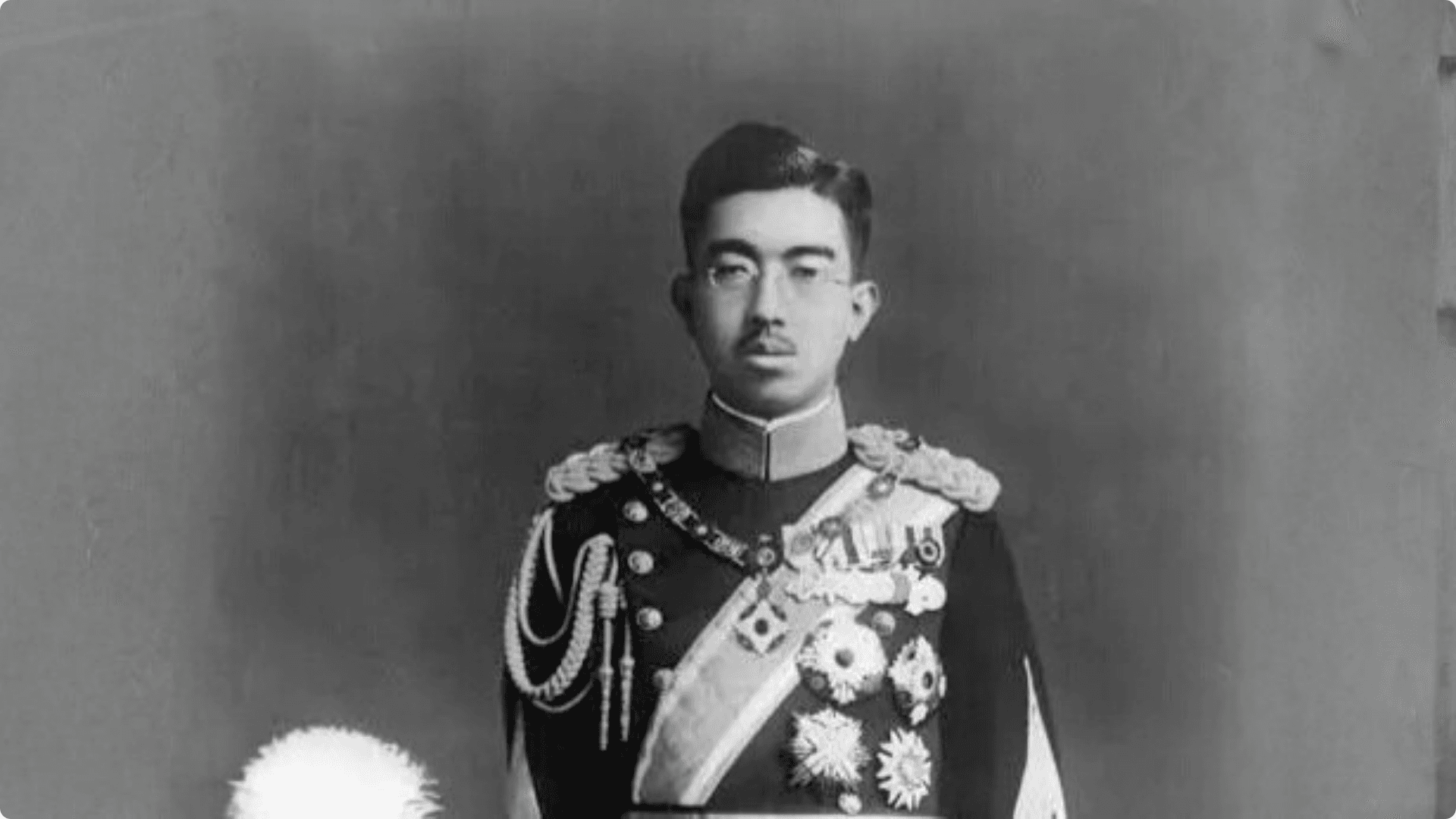
Emperor Hirohito was born in 1901 and was educated to uphold imperial tradition while navigating Japan’s modernization, ascending the throne in 1926, inaugurating the Shōwa era. His early reign coincided with rising militarism and nationalism, economic turmoil from the Great Depression, and Japan’s aggressive territorial expansion, including the invasion of China and the attack on Pearl Harbor, drawing the nation into World War II.
While historians debate the extent of his wartime responsibility, Hirohito remained a central figure, culminating in his 1945 Jewel Voice Broadcast announcing Japan’s surrender. Under Allied occupation, he renounced claims of divinity in the 1946 Humanity Declaration, and the 1947 constitution stripped him of political power, transforming him into a symbolic monarch. Postwar public perception was mixed, but Hirohito ultimately became associated with national endurance, recovery, and Japan’s economic resurgence, leaving a complex legacy debated in historical scholarship, cultural portrayals, and educational narratives that continue to examine his role in both war and peace.
Emperor Hirohito in the AI Era
The twenty-first century has introduced a fascinating twist: AI-generated representations of Emperor Hirohito. Digital artists and enthusiasts, leveraging AI image generators and text prompts, have revived interest in imperial iconography across global social media and art platforms. Tools like AI-PRO.org allow users to create highly stylized depictions, focusing on cinematic lighting, iconic attire, and dramatic angles.
Sample AI Prompt:
“Depict me wearing the costume of Emperor Hirohito from Japanese history, incorporating the clothing design seen in Mobile Legends. Create his signature pose with stark cinematic lighting and intense contrast. Use a slightly low, upward-facing angle to dramatize the jawline and neck. Background: deep crimson red for bold visual contrast. Lighting: directional, with warm golden highlights on one side of the face and shadow on the other, emphasizing bone structure. Expression: unreadable, cool-toned eyes half-lidded, lips relaxed. Costume: heavy wool or felt overcoat with rich texture. Minimal retouching preserves skin realism. No props; visual impact created through light, shadow, color saturation, and posture. Maintain hairstyle, color, and facial features from the reference photo.”
This type of AI prompt allows creators to merge historical accuracy with cinematic storytelling, generating highly shareable visuals for modern audiences.
Frequently Asked Questions About Emperor Hirohito
1. Who was Emperor Hirohito?
Emperor Hirohito was the 124th emperor of Japan, ruling from 1926 to 1989 during the Shōwa era.
2. What role did Emperor Hirohito play in World War II?
His level of direct responsibility is debated, but he remained Japan’s head of state throughout the war.
3. Why is Emperor Hirohito trending in AI art?
AI image generators and prompt trends have popularized cinematic, stylized depictions inspired by his historical image.
4. What is the Hirohito AI prompt trend?
It involves using detailed prompts to create imperial-style portraits with dramatic lighting and modern aesthetics.
5. How does AI change how we view historical figures?
AI allows modern audiences to reinterpret history visually, blending education, creativity, and digital storytelling.