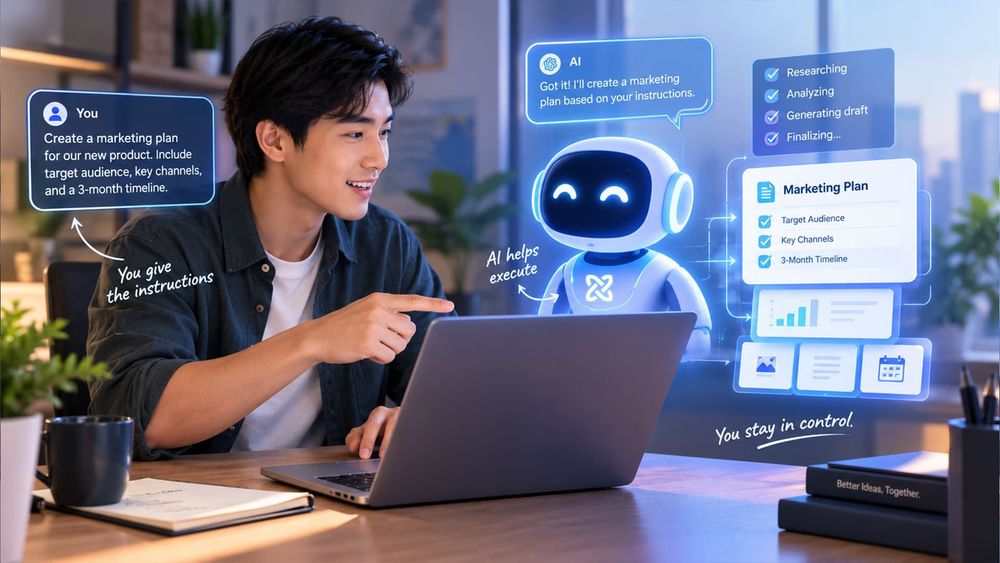
Not Science Fiction. Not a Movie.
In November 2025, Austrian software engineer Peter Steinberger built a small weekend project. It wasn’t a startup. It wasn’t backed by investors. It was simply an experiment: what if an AI assistant could do tasks, not just chat?
He called it Clawdbot, a playful nod to Anthropic’s Claude. Unlike typical AI tools, it could:
- Manage your calendar
- Book flights
- Clear your inbox
- Check you in for trips
- Control smart home devices
And it did all of this through WhatsApp, without requiring a new app or interface. Users simply sent a message and the task was executed, much like JARVIS from Iron Man, a digital assistant that acts, not just responds.
From Weekend Hack to Global Attention
By January 2026, Clawdbot had amassed over 100,000 GitHub stars and millions of visitors. After a naming dispute, the project became OpenClaw.
The real breakthrough wasn’t the name, it was how it worked:
- OpenClaw ran on the user’s own machine, keeping data, keys, and permissions private
- It integrated with tools people already used: WhatsApp, Telegram, Slack, Teams; and quietly executed tasks in the background
For many, this was the first glimpse of what personal AI agents could really do.
Security Challenges: When AI Became Infrastructure
Rapid adoption also brought scrutiny. Security researchers discovered that some third-party extensions could extract data or manipulate prompts, and malware began targeting OpenClaw configuration files specifically.
For the first time, AI assistants weren’t just tools, they were infrastructure worth attacking.
This escalation highlighted an important point: as AI becomes embedded in workflows, security, reliability, and governance are no longer optional.
Industry Recognition: OpenAI Steps In
On February 14th, Steinberger announced he was joining OpenAI. The project moved to an open-source foundation with institutional backing.
Why? Because as infrastructure, AI agents need scale, reliability, and stewardship. Steinberger didn’t want to build another company. He wanted to create an AI agent even his mum could use.
This illustrates a key principle: AI maturity is not about complexity. It’s about usability, trust, and integration.
What OpenClaw Means for You
OpenClaw proves that personal AI agents are no longer hypothetical. They can:
- Execute workflows automatically
- Connect with multiple tools seamlessly
- Make decisions with safety guardrails
For individuals, this means saving hours every week.
For businesses, it enables operational efficiency and strategic advantage.
Experimenting with AI is easy — but using it reliably is what creates real value.